|
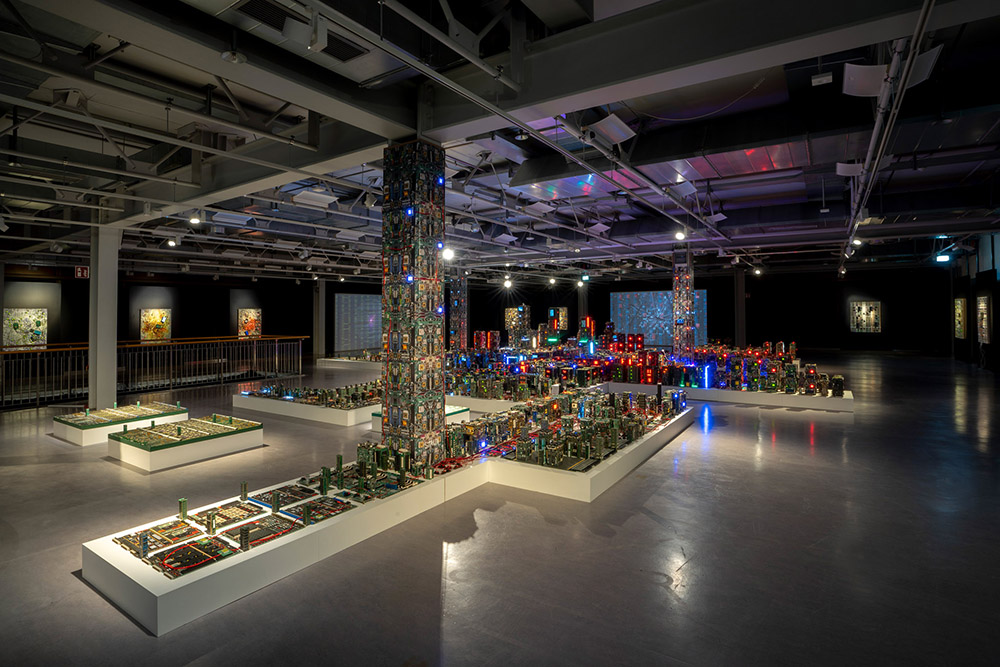
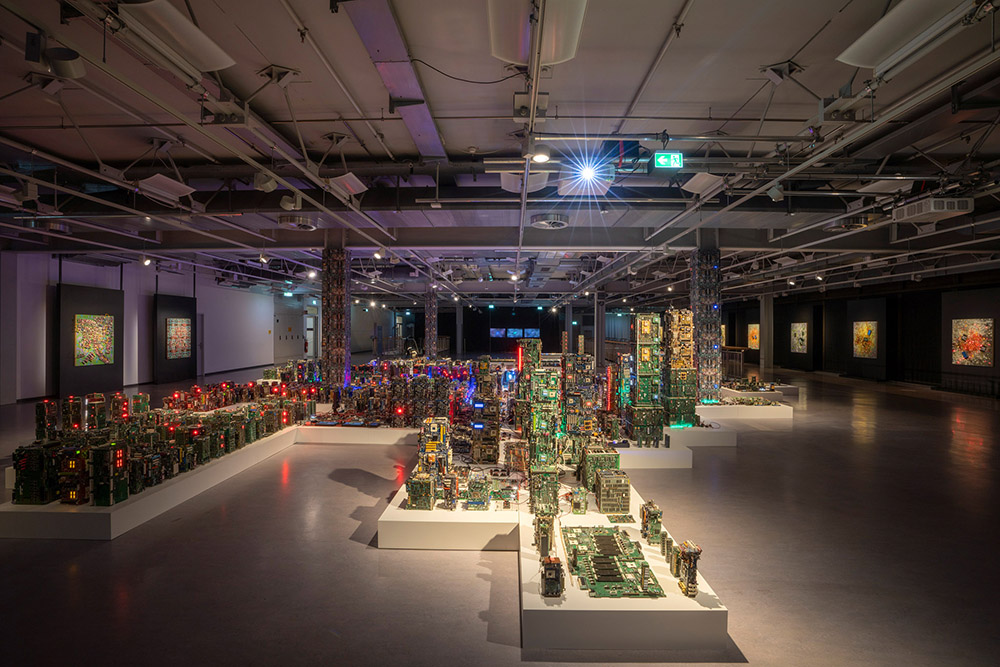
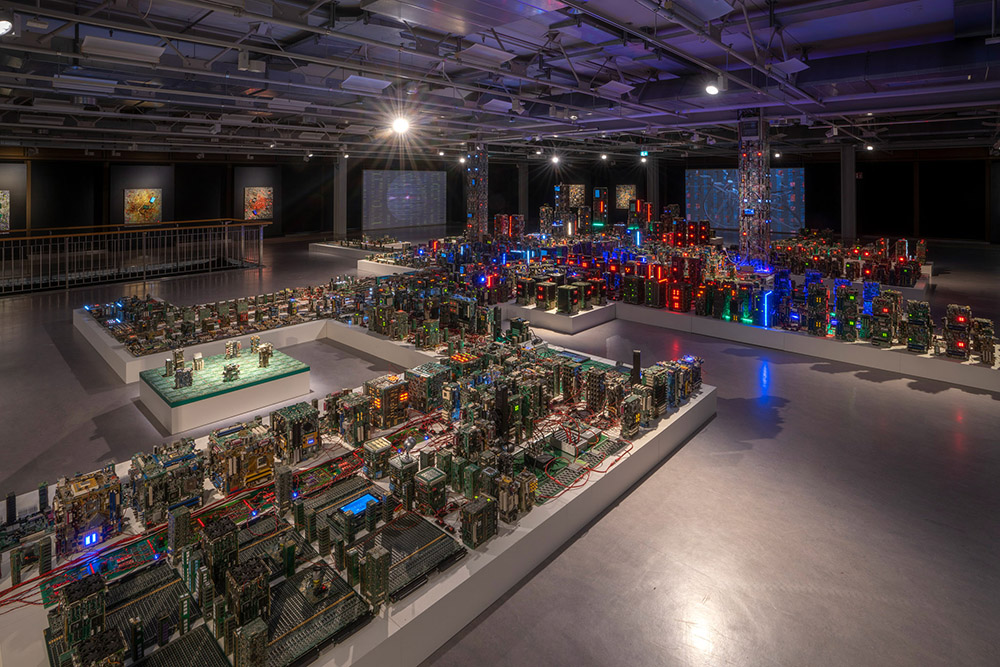
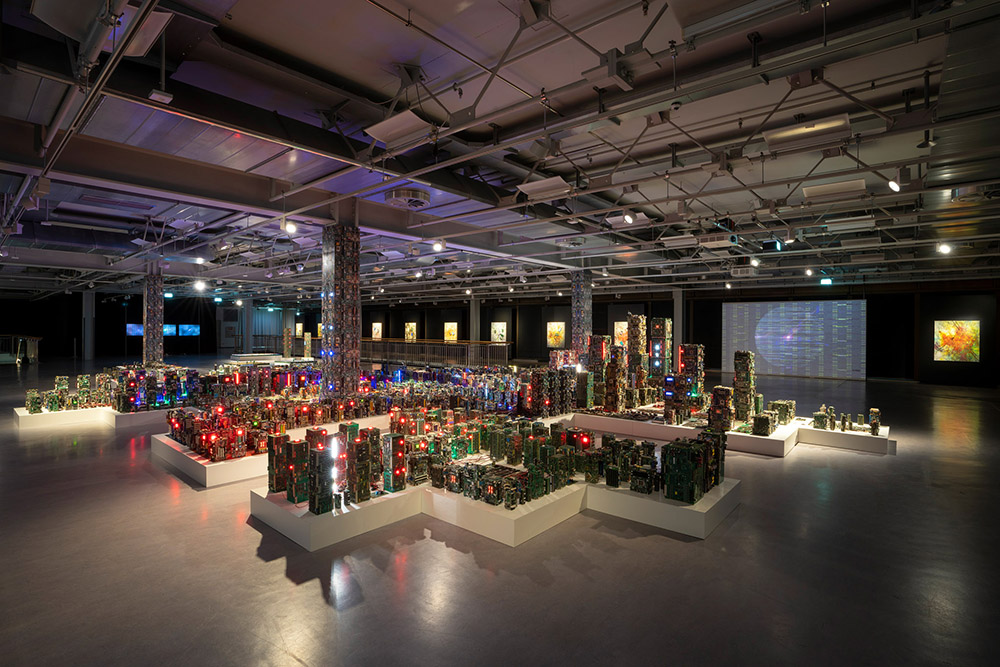
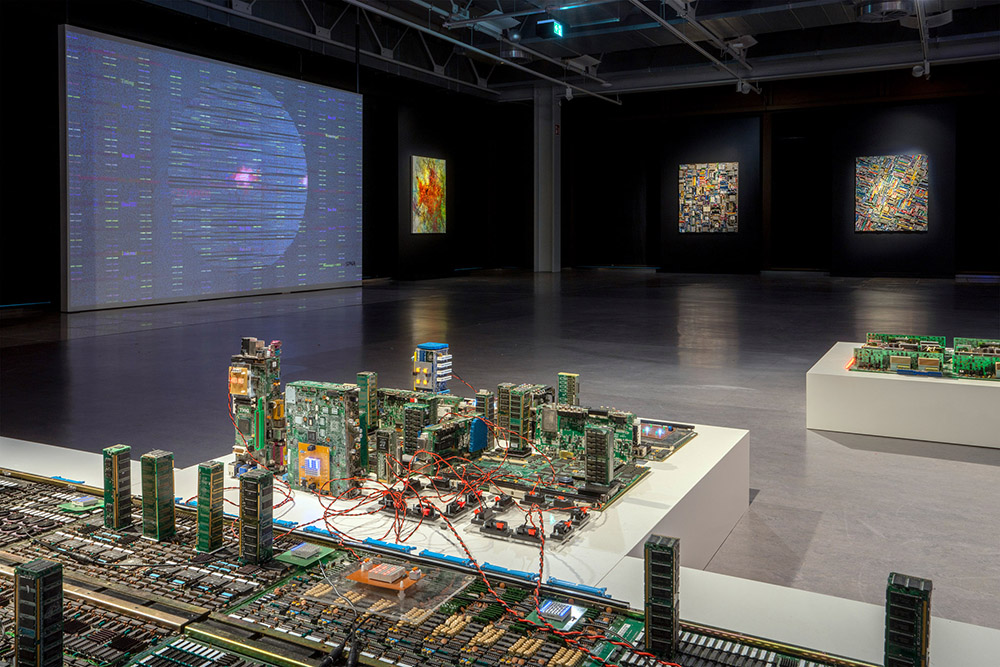
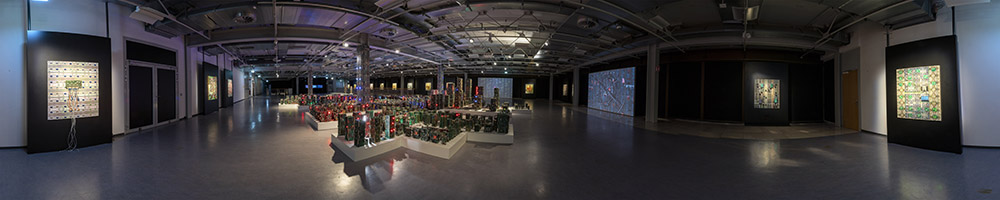
Shown here at Heinz Nixdorf Museum Germany (HNF).
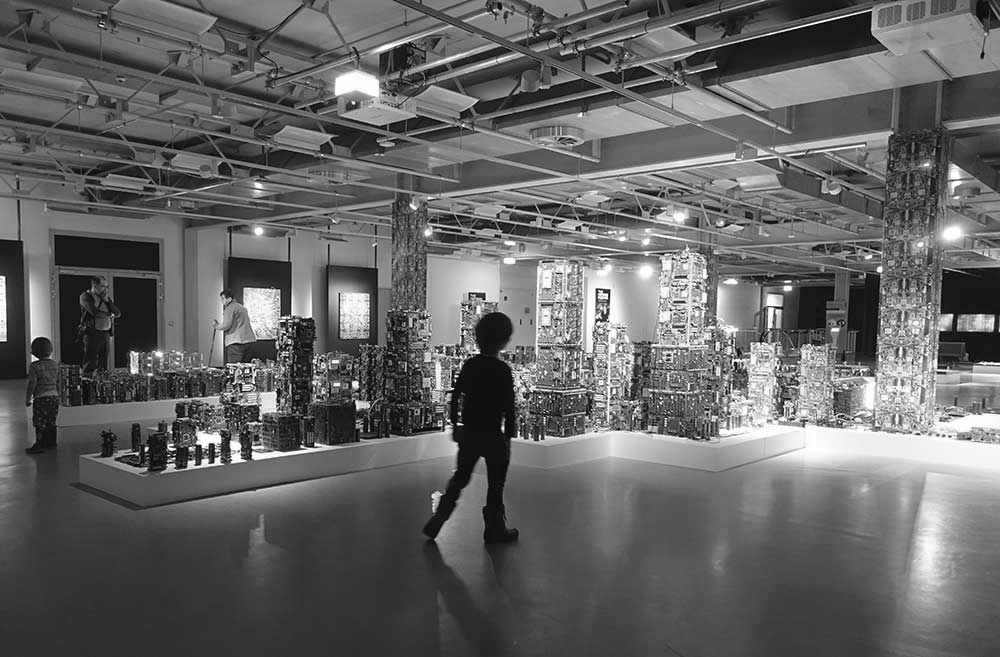
Size 110 square metres in matrix shape.
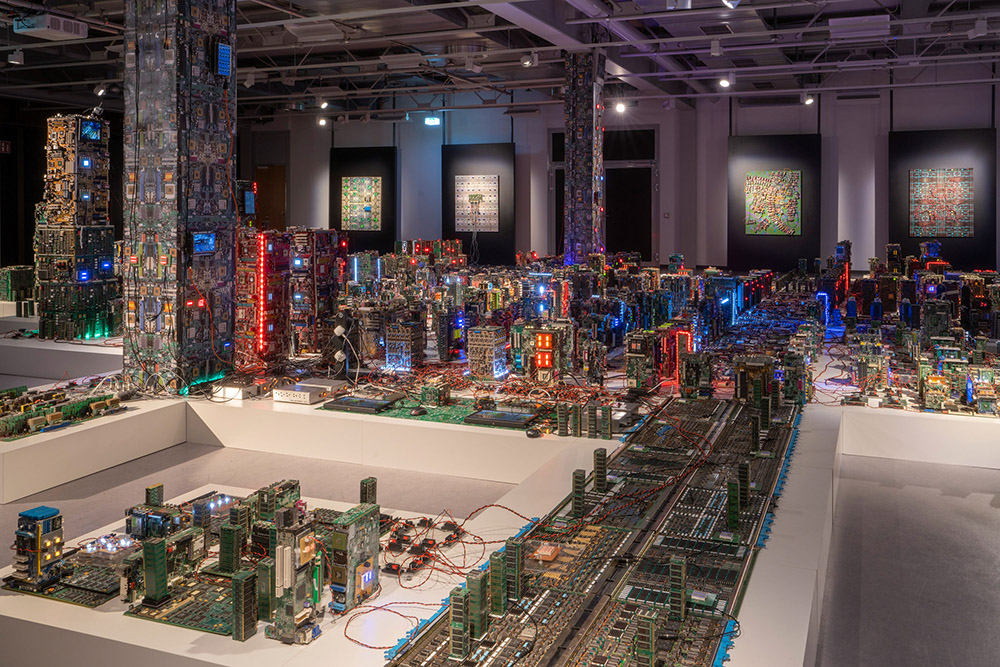
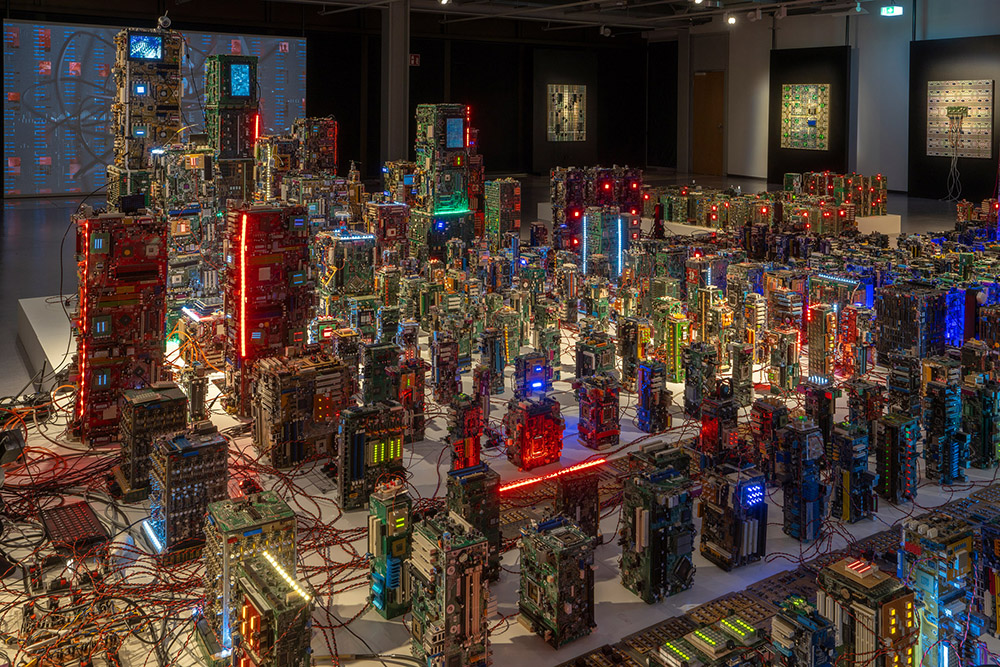
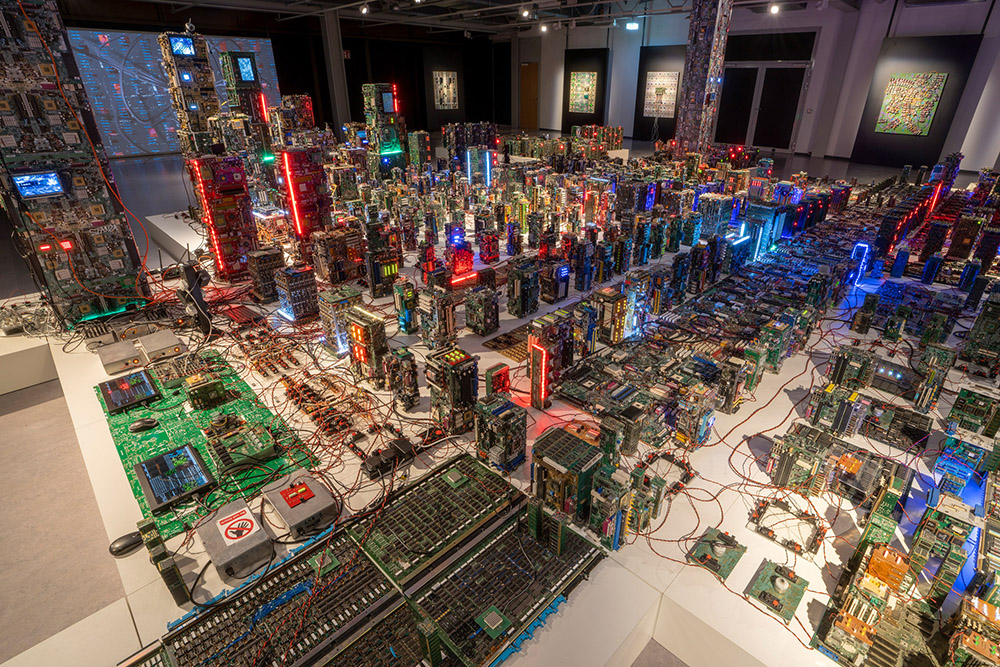
The Nemesis Machine: Manifestation.
From Metropolis to Megalopolis to Ecumenopolis.
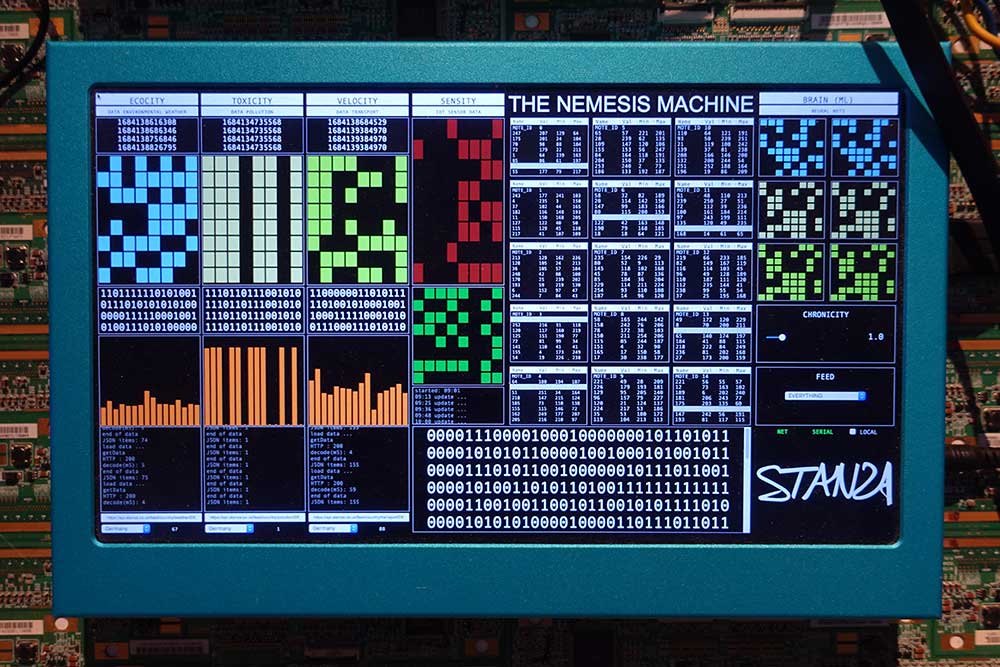
OVERVIEW. A modular artwork that opens up conversation with the audience about the role of AI in society and real time data through the lens of art. The artwork explores the future of cities observed by algorithms, creating data-driven co-creation systems that monitor the invisible city in real-time. The installation is continuously transforming by analysing thousands of city-wide data inputs to make predictive outputs. The installation merges various types of data using methods of artificial intelligence AI and ML learning to create new artistic scenarios using networked real-time information flows. Furthermore, the artwork demonstrates how we are complicit and thus entangled in the monitored technological layers that the artworks are communicating and fit seamlessly into what Stanza calls panoptic aesthetics. Inside the machine learning system, neural networks create patterns inside data to reform the invisible in real time.
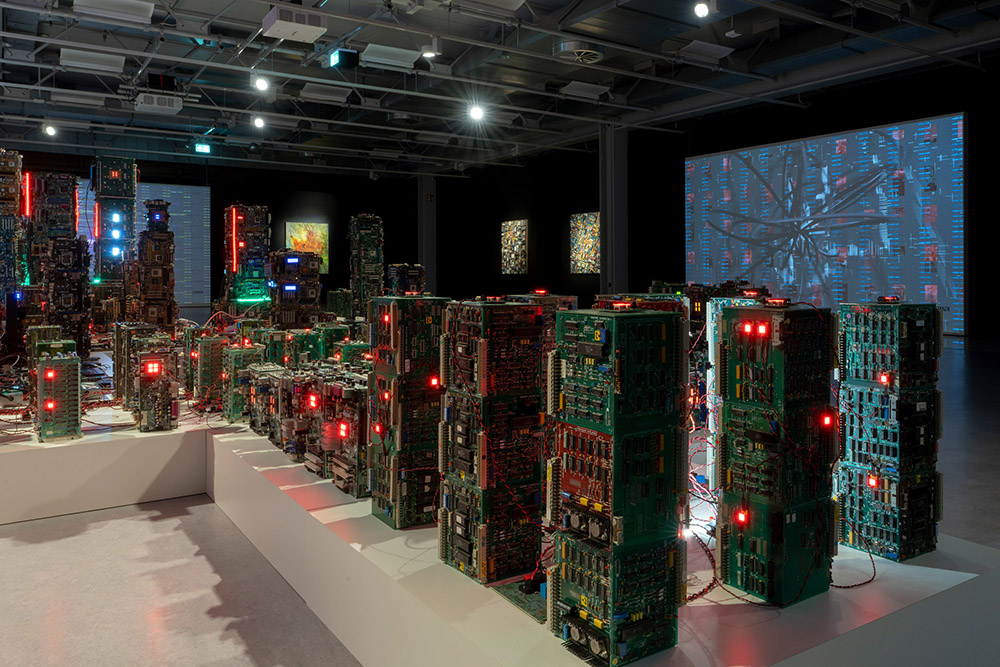
The Nemesis Machine is an ever-evolving artwork, always different and always expanding. The artwork shown here is 110 metres square. (there are various sizes that can be exhibited. It can be shown smaller or even larger.). This multi-layered art installation explores data ownership, real-time space, and urban systems through a speculative, systems-based metaphor. The installation uses thousands of real-time data streams which are being processed by unsupervised machine learning (AI). The artwork comes alive to represent the real-time agency of the environment as an observed living system. The complexity of the artwork is incorporated into the real-time social agency of our environment. This is augmented by several layers that might not appear initially evident as you unpack this multi-disciplinary artwork.
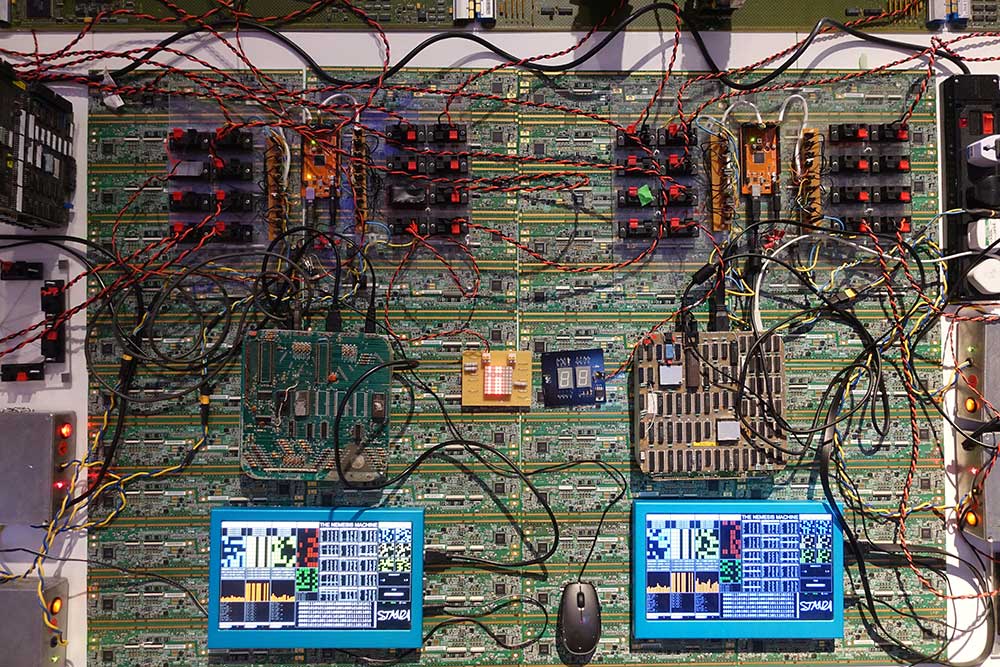
It has many internal living systems including:- links to smart city networks and real-time data feeds incorporating over 250 pollution data feeds, 3000 weather data points, and 2500 real-time transport data feeds. In addtional are also two sensor networks inside the artwork placed in the gallery, a facial recognition embedding the audience in the structure, news feeds as well as a custom IOT mote sensor network. The artwork also further embeds the audience as units of data as actual performers by tracking them in the city and incorporating these data into the experience. (using a custom made app which is optionnal extra)
This real-time artwork demonstrates clearly how we complicitly use our technologies in social space at all times in this bigger machine. The artwork not only contributes to a field of practice I call panoptic aesthetics but is now performative on a global scale since we are all now units of data being parsed by the machine. Thus the Nemesis Machine is a spectacle in the literal sense and also in its more overt sense in that it is an object of how we experience the world around us.
This is the largest and most complex version made to date and is customized to the space in terms of its physical appearance and a software AI (brain) interface for data inputs. A self-regulating metropolis whose intelligence is entirely driven by data flows and networked interactions. This artwork exists as a physical avatar of real-world systems, continuously animated by live inputs from sensors, networks, and human presence. Cause and effect unfold visibly as external events generate internal transformations, producing a parallel reality that mirrors, interprets, and amplifies the world beyond the gallery.
The artwork examines technology as both emancipatory and coercive. It proposes a machine that appears to liberate through openness, connectivity, and efficiency, while simultaneously rendering users complicit in structures of monitoring and control. The installation incorporates AI and unsupervised machine learning and questions how will artificial intelligence affect the governance of the environment in the future.
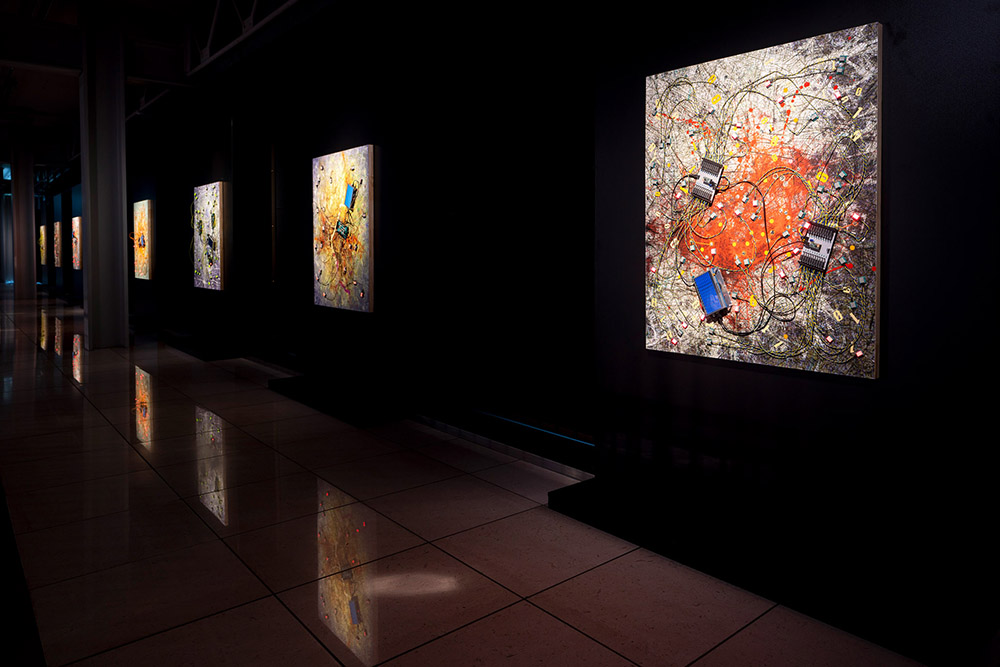
The exhibition can also have uo to 24 other artworks including:
Velocity. The artwork becomes a real-time collective performance and the technology highlights how separate and stacked informational layers can be threaded to be made visible as an interwoven and entangled universe that has no borders. The artwork speculates of a future of shared data. https://velocity.stanza.co.uk/
Entangled Cities. Dynamic generative artworks using transport, weather, pollution data iglobally made using a newly created real time API with unsupervised machine learning process built in. Neural networks (adaptive resonance ART) recreates patterns inside data from across the whole of the country. The artwork shows how our city data is alive and how we form these systems by our own design. https://stanza.co.uk/entangledcities/index.html
Running Out Of Time. This artwork is an eco visualisation that questions the reality of how we are polluting our cities and our environment. As we increasingly pollute the air with our behaviors, other systems and networks become evident. https://stanza.co.uk/Thinair/index.html
Toxicity. Artwork eco visualisation scanning pollution data feeds with a machine learning system built in to represent the agency of the invisible city. In this case made to look like traffic in a city. https://stanza.co.uk/toxicity/index.html
Living Landscapes. This series of artworks raise several questions about the fluid liquid real time data space that now surrounds and envelops us everywhere. Who owns the data, who does this space belong to? What is the future of this technologically stacked interlocking mediated environment? https://stanza.co.uk/livinglandscapes/index.html
Audience Engagement/
Audience engagement and interactivity are fundamental to the operation of the installation. Rather than functioning as passive spectators, visitors become active participants within a responsive environment. The gallery itself is transformed into an intelligent, sensing space through the use of sensors, CCTV cameras, facial recognition technologies, and other computational systems that continuously register and respond to the audience and gallery.
The installation extends beyond the physical boundaries of the gallery by incorporating real-time data streams from the city and the wider environment. These live data flows are collected, interpreted, and transformed through AI-driven processes, enabling events, movements, and the presence of people and the environment outside the gallery to become part of the artwork. As a result, the installation exists simultaneously within the gallery and the wider urban environment, collapsing distinctions between physical and digital space.
This creates a performative system in which the artwork is continually reconfigured through the reciprocal relationships between visitors, networked technologies, and external data. The audience becomes both observer and observed, participating in a feedback loop that, influences the behaviour of the installation. The work therefore operates as a cybernetic system characterised by continuous interaction, adaptation, and transformation.
From this perspective, the installation resonates with theories of performativity and relational aesthetics by positioning participation as the material through which the artwork is constituted. At the same time, the pervasive use of surveillance technologies introduces critical questions concerning visibility, agency, privacy, and power. Visitors are no longer external viewers but become embedded within a computational ecology in which human bodies, machine vision, AI, and networked data operate together as co-producers of the artwork. The installation therefore challenges conventional distinctions between artist, audience, artwork, and environment, presenting instead a dynamic, evolving system in which meaning is continually negotiated.
The Nemesis Machine. Full project history see here. (http://stanza.co.uk/nemesis-machineweb/index.html)
NOTE there are four sizes available. This whole artwork installation is modular and customised to any space for data inputs, scale, and how it looks.
Further Development. I would also like to make a much bigger version <=> four times as big. If you can fund this it could be 15m by 15m up to 200 square metres and larger the exact nature of this would depend on the space and would it have several new areas built in. Curators please speak to me about this.

See the exhibition in a 3d walk around : enter the password to view.
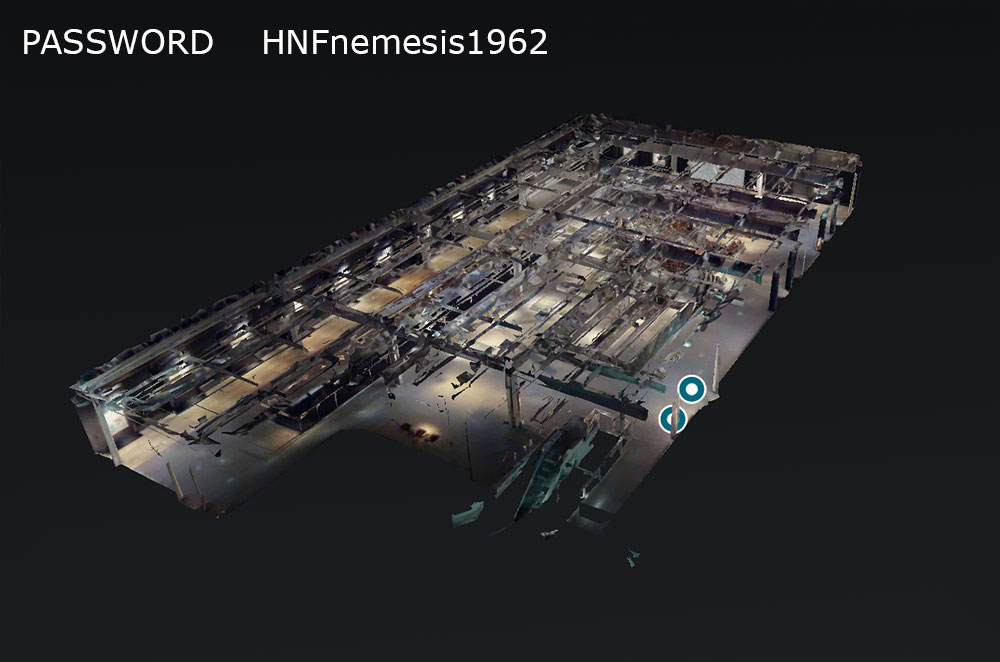
To experience in a 3 D walk around. Click on the image above then enter using this password...... HNFnemesis1962
-------------------------------------------
Technology Overview Softwares and CODE development.
-
Nemesis Display Screens (main displays) (XOJO C+)
-
Emergent City Visualisation. (THREE JS) (optional)
-
News feed and CCTV AI ( SHOCKWAVE)
-
Electronics systems (processing)
-
Face Tracking (5g network Linux XOJO)
-
Soundcities. ( Java script interface backend database ) (optional)
-
Velocity APP ( C+ NODE js) ) I phone /Android (if requested optional)
-
AI systems - visualisations ( THREE JS)
-
AI news feeds area ( MAKE and OPEN AI into THREE js ) (if requested optional)
-
Smart City Data Feeds and API ( NODE JS JSON)
-
Talking AI system ( ORACLE) ( MAX MSP and eleven LABS) (optional)
Technology Overview. The main artwork leverages custom-built real-time smart city data systems with machine learning also in real time using (STANZA.API) , focused on data from across European cities. Using unsupervised machine learning algorithms, Adaptive Resonance Theory 2 (ART 2). The main Nemesis systems and databases adapt without losing previously acquired patterns. At its core, a neural network processes these data streams, forming recursive patterns—patterns within patterns—that reflect the complex systems of a nation. As data changes, new nodes emerge within the network, showing growth and transformation. These nodes are dynamically influenced by live weather feeds, pollution feeds and environmental inputs.
Data Sources (Smart City Systems)
Weather: Nationwide metrics including temperature, wind speed/direction, precipitation, humidity, and pressure.
-
Pollution: Real-time data per station (GPS), including Carbon Monoxide, Nitrous Oxide, Ozone, Sulphur Dioxide, Temperature, Wind, and Humidity.
-
Transport systems, trains, buses. etc
-
Also live people tracking GPS and photos off phones...(via APP) (if requested)
-
AI real time news scraping (if requested)
Data Systems & Learning
-
Backend: Node.js (STANZA.API), with the neural network ported from C to JavaScript.
-
Learning Model: Adaptive Resonance Theory 2 (ART 2), supporting continual learning and behavioural clustering.
-
Other Display: An active internet connection is required for real-time functionality. Three JS
-
Output Format: JSON-based data visualisations.
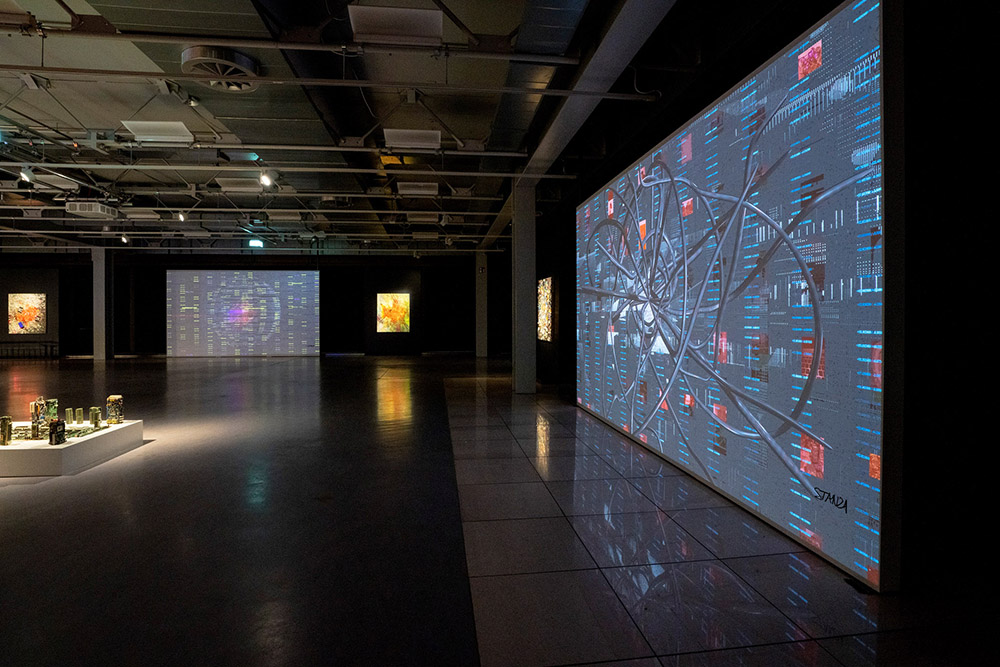
Other artworks in the exhibition by Stanza
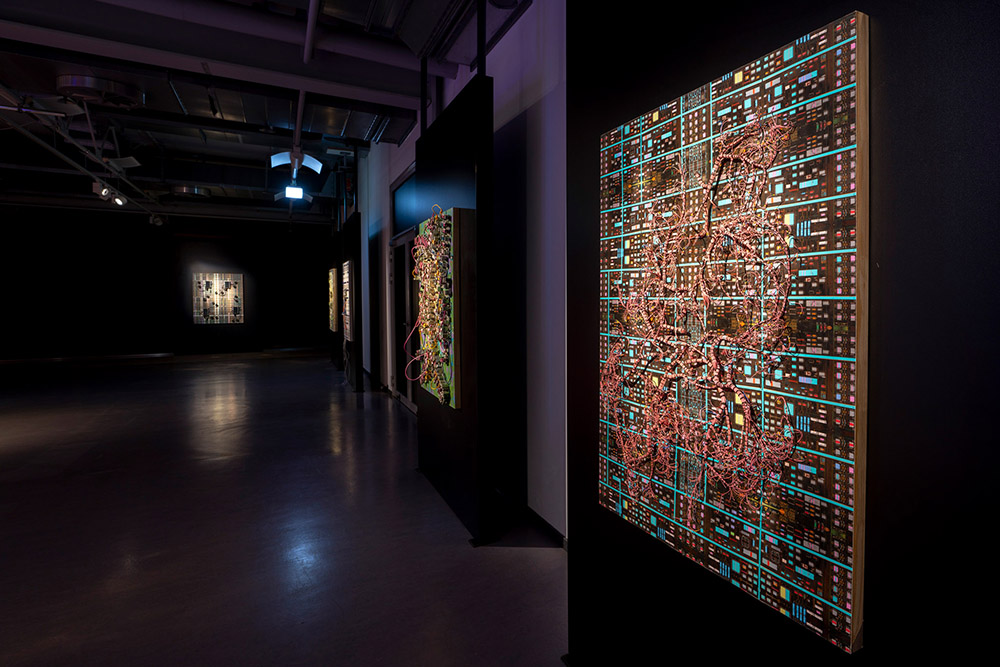
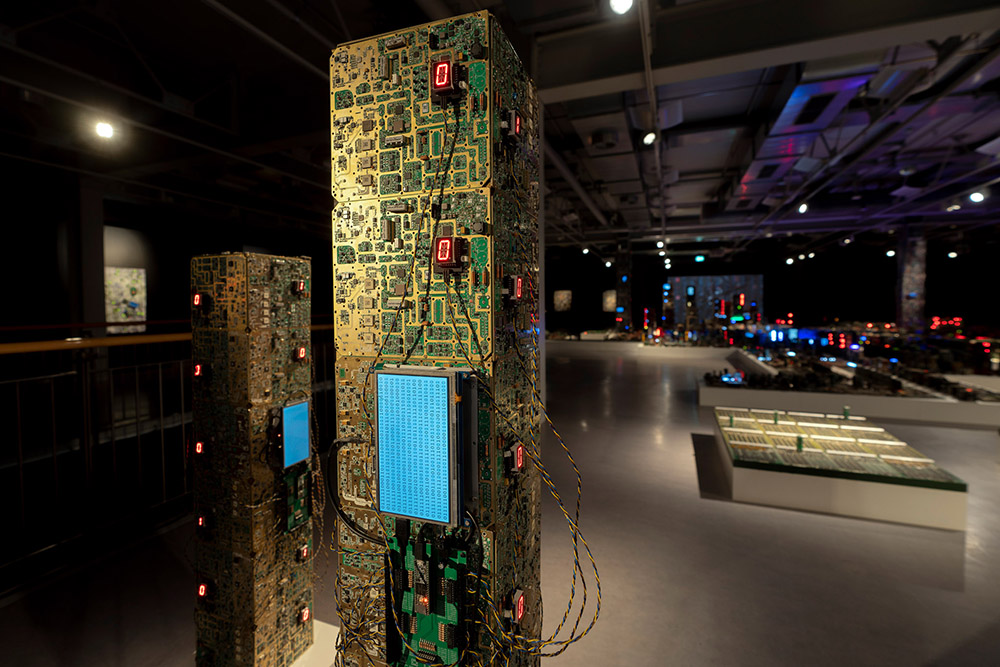
Other artworks in the exhibition by Stanza 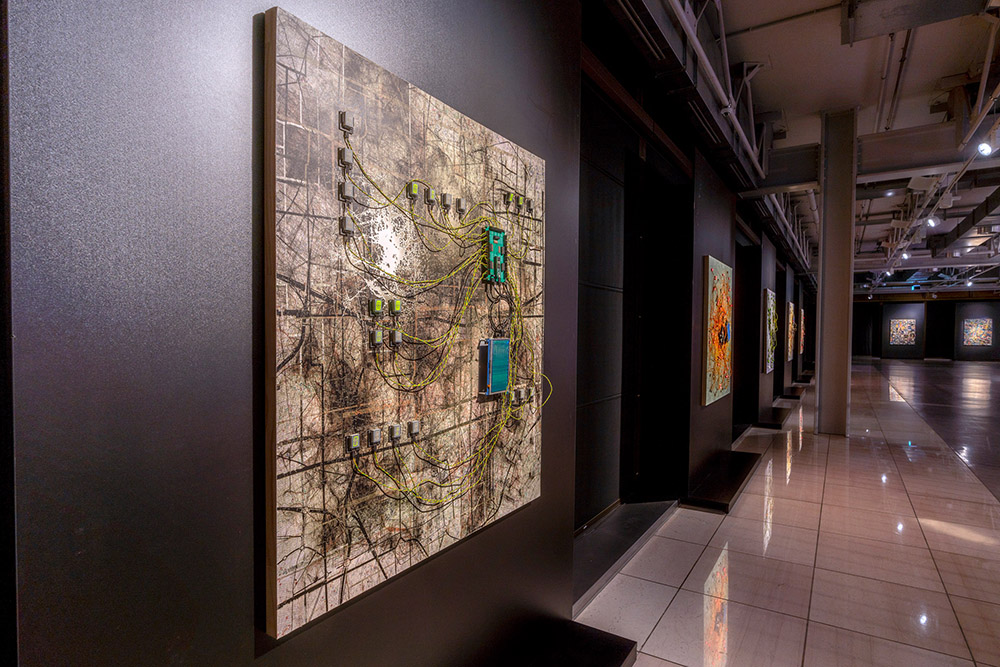
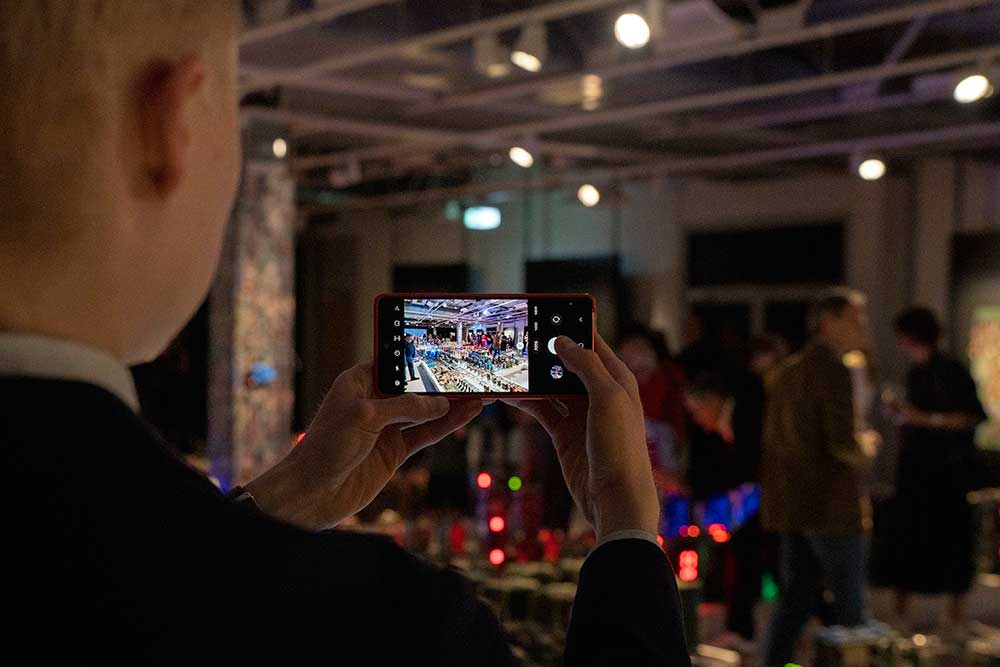
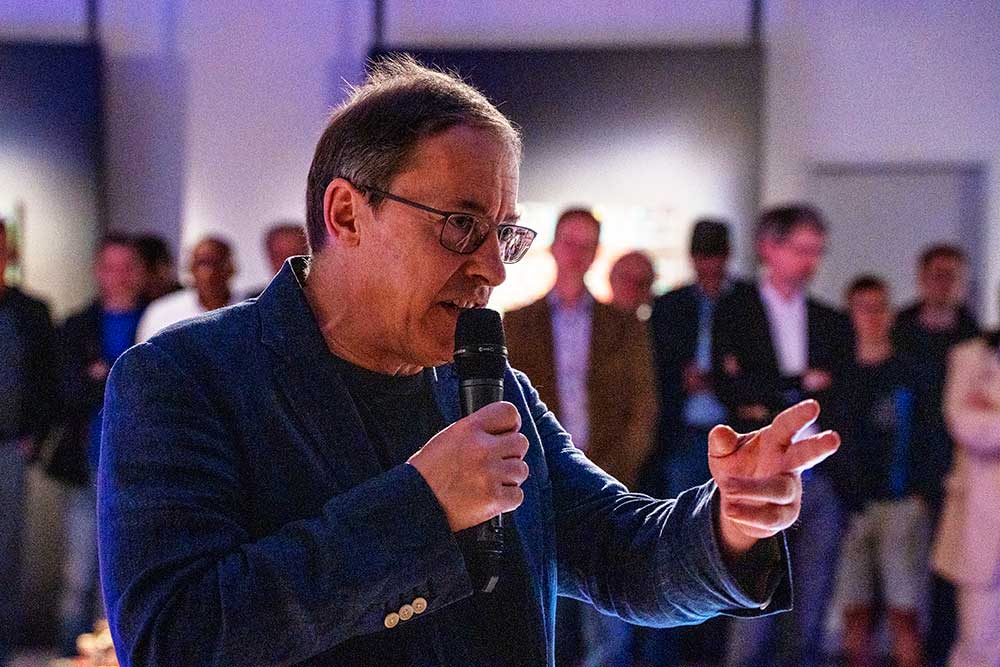
Opening night 400 people at the receptiion. Talking about the artwork at the opening
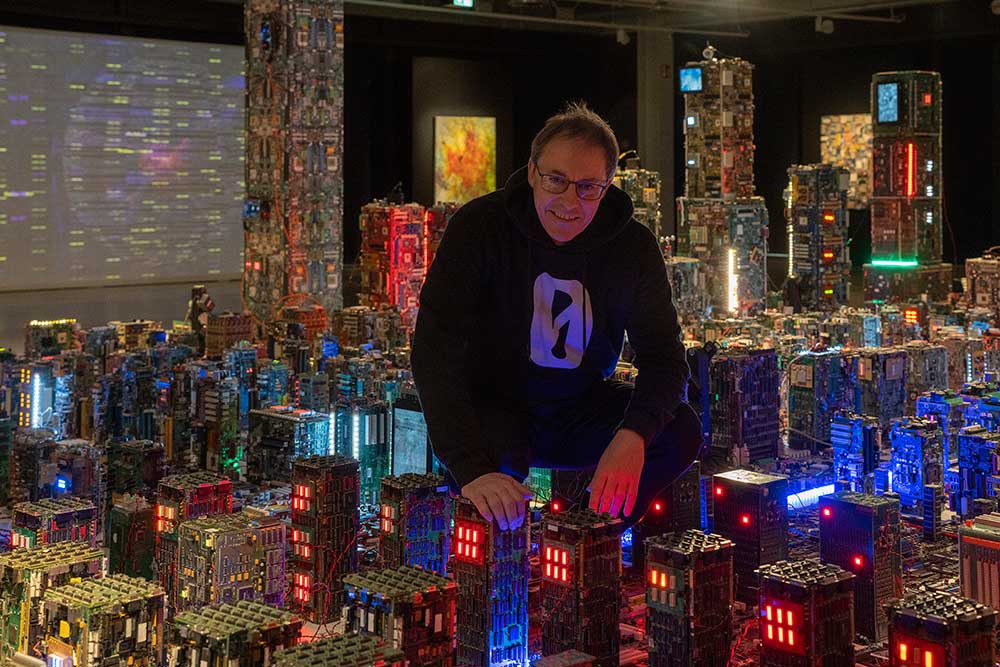
Portrait. Dr Stanza
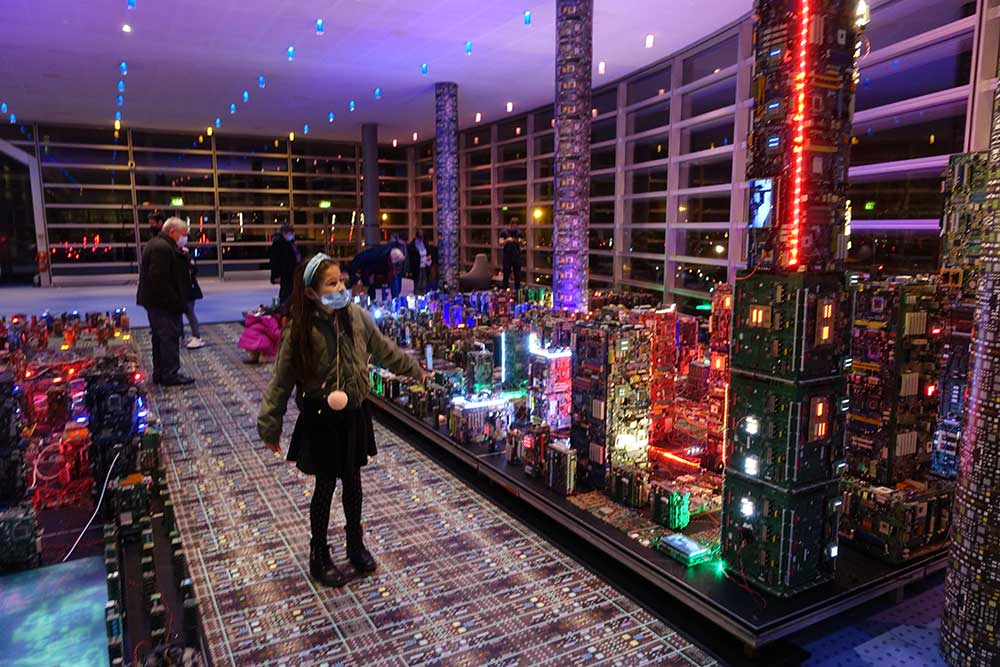
Can also be made with a path down the middle 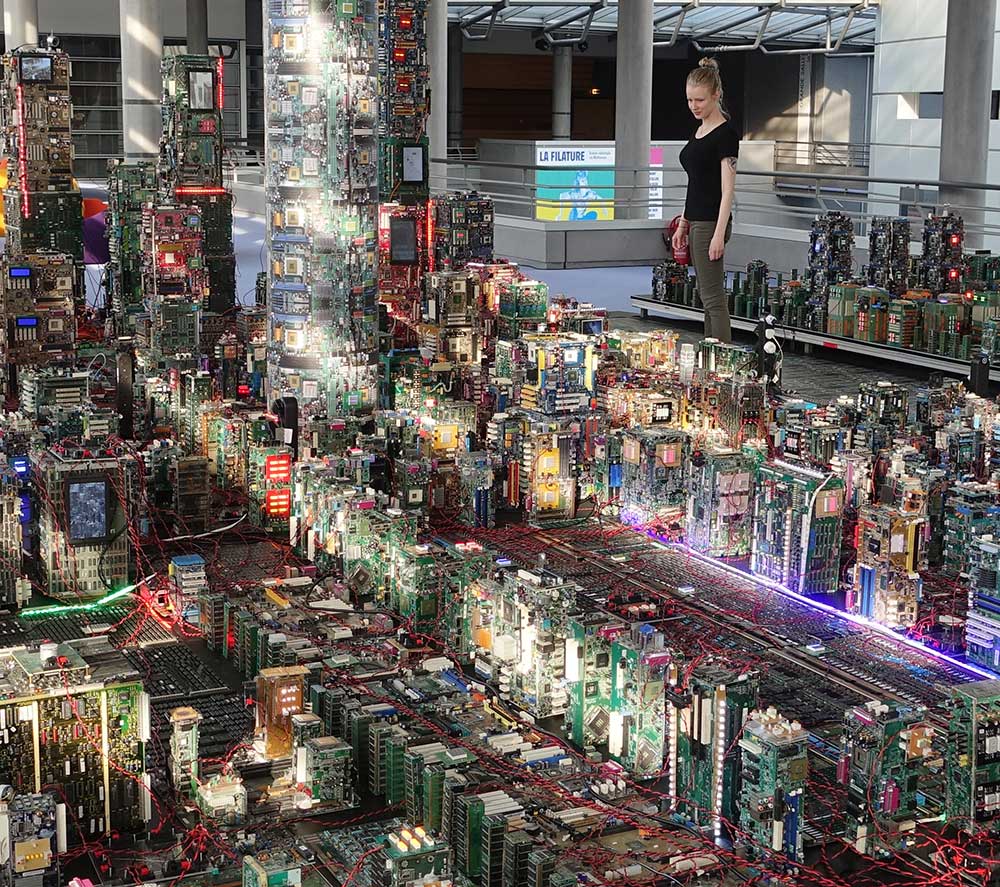
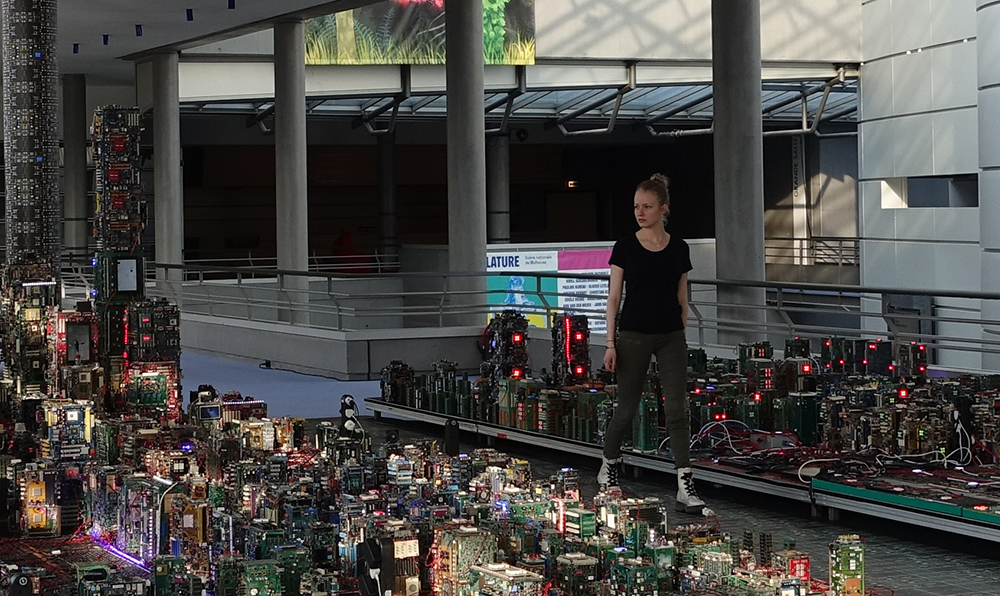
Can also be shown in daylight. 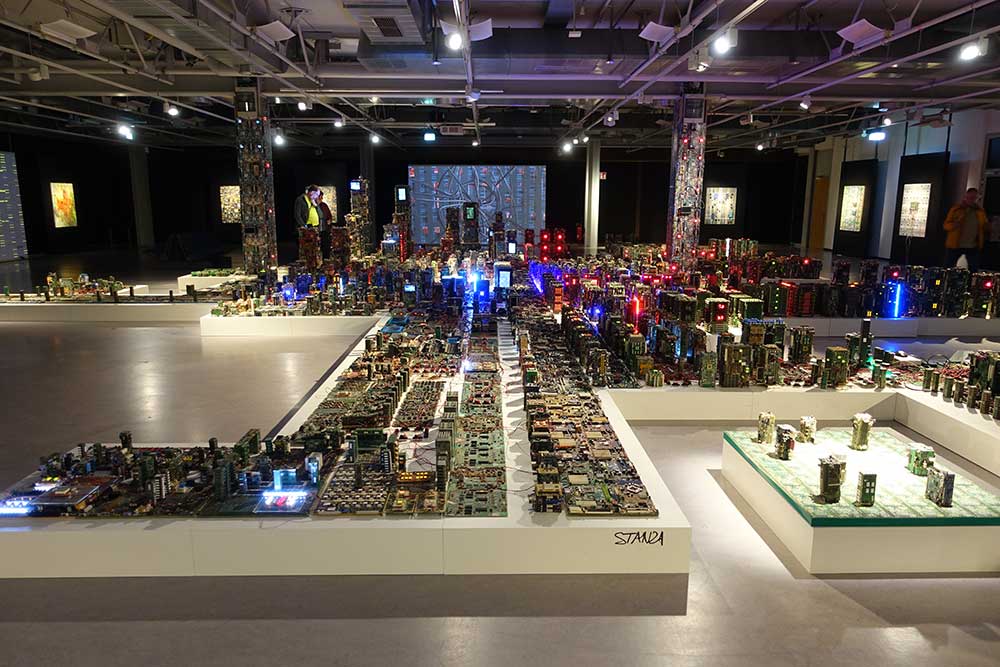
For more project information see here.
Available for exhibitions at various sizes and it is customised to each location. Artwork by Stanza [Steve Tanza] |